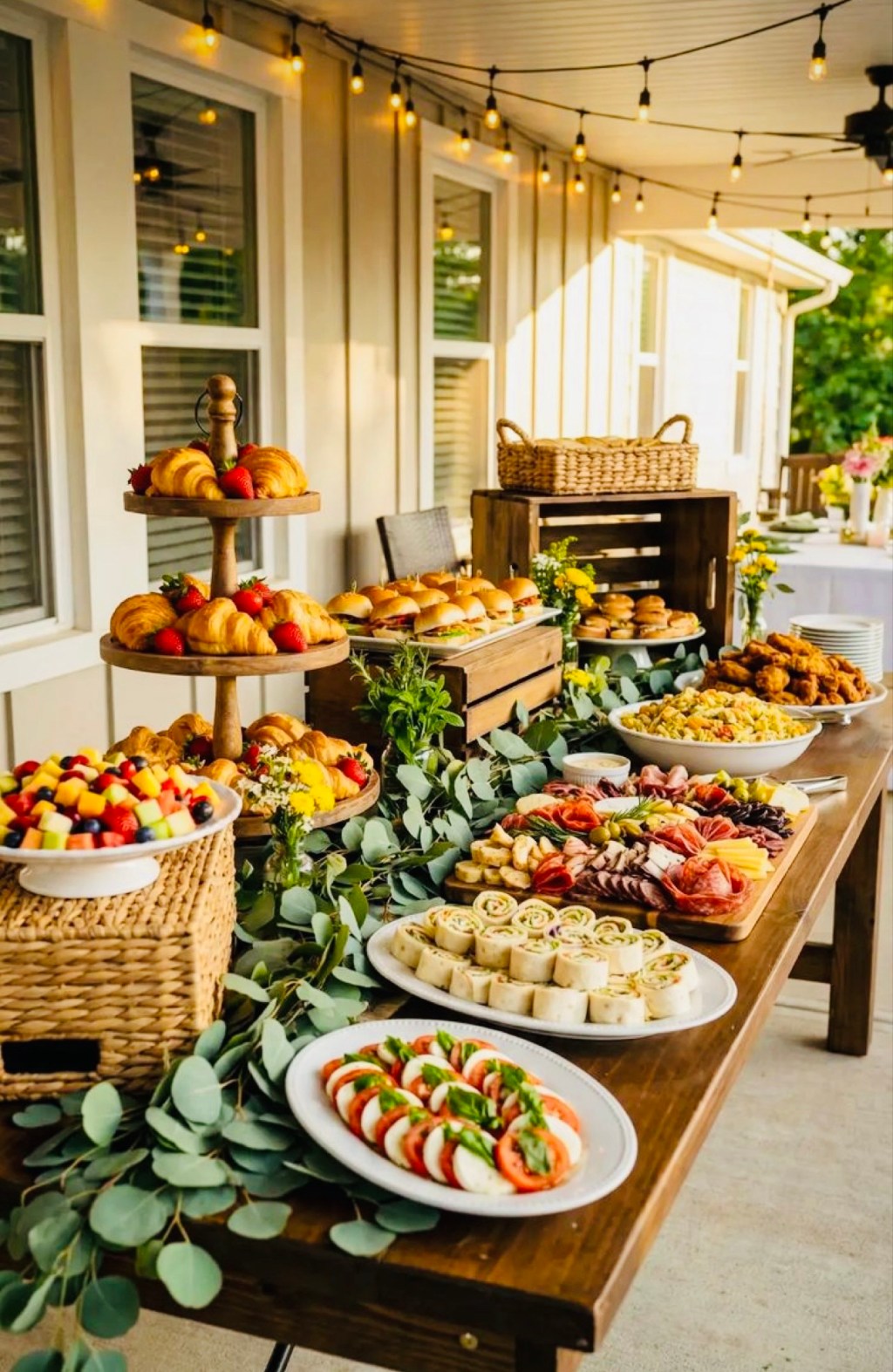
Food is one of the most universal parts of life. Every single person needs food to survive, yet it is so much more than just survival. It is everywhere, woven into our daily routines and especially into our most meaningful moments. Food is often at the center of celebrations and gatherings—birthday parties, weddings, baby showers, holidays, vacations, Sunday dinners, and even funerals. It brings people together, creates memories, and marks important moments in life.
People tend to have very different relationships with food. For some, it is something they love and enjoy. For others, it can be complicated or even stressful. But no matter how someone feels about it, food is something none of us can escape. We all need it to live
Growing up, I remember my mom always making dinner for us when my sisters and I were kids. She was a great cook, and her meals were always delicious. Dinner was always on the table between 5:00 and 5:30 every night. That consistency is something I remember clearly now, even if I didn’t think much about it at the time.
I didn’t begin to have a negative relationship with food until my twenties. That was when I realized I didn’t have a healthy relationship with eating. As a child, I was on the heavier side, but I didn’t really think about it until around fifth grade. That’s when I started noticing other girls in my class and comparing myself to them. I noticed their bodies were different from mine, and I can clearly remember wishing I looked like them, even though I didn’t know how to change that.
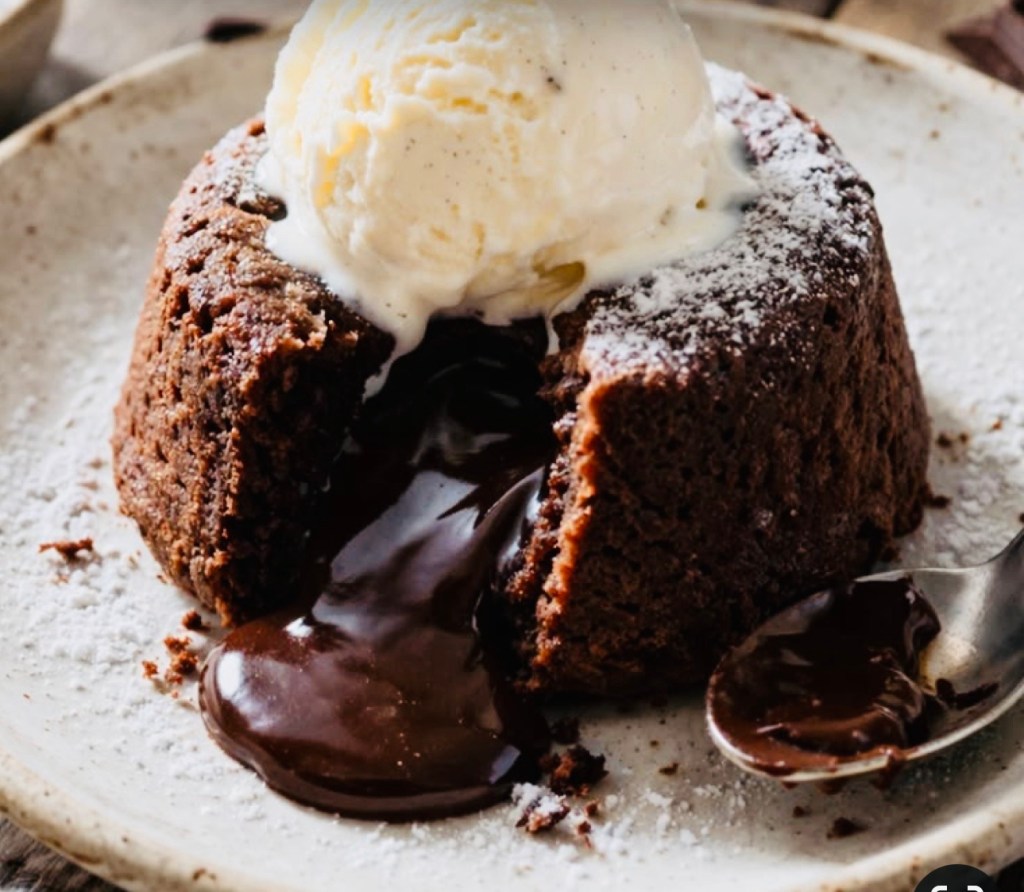
As I got older, I became more self-conscious about my body and how I looked. Eventually, I came to understand that I struggled with emotional eating—using food to cope with feelings instead of hunger or addressing the emotions themselves.
There are different types of eating disorders, and they exist on a wide spectrum. Anorexia nervosa involves restricting food intake and an intense fear of gaining weight. Bulimia nervosa includes cycles of binge eating followed by purging behaviors. Binge eating disorder involves eating large amounts of food in a short period of time, often with a feeling of loss of control. Emotional eating, while not always classified as a formal eating disorder, is also a common struggle where food is used to cope with stress, sadness, or other emotions rather than physical hunger.
A lot of people fall somewhere along this spectrum—not necessarily meeting the criteria for a full eating disorder, but still struggling with their thoughts, habits, or emotions around food.
For me, stress eating has been part of my experience. And even with that struggle, food is something that cannot be avoided. It is everywhere, and it plays an essential role in our lives. No matter what our relationship with it is, food will always be there. We need it to survive, but it also brings comfort, joy, and connection. For many people, eating can feel grounding and even safe. At the same time, it can become something that feels overwhelming or emotional. It can feel like a best friend or an enemy, depending on the moment.
Looking back, I do wish I had spent more time learning how to cook from my mother. At the time, it just wasn’t something I was interested in, but now as an adult with a family of my own, I find myself wishing I had those skills. Planning meals and figuring out dinners can sometimes feel overwhelming, and cooking is something I wish I had learned more deeply earlier in life.
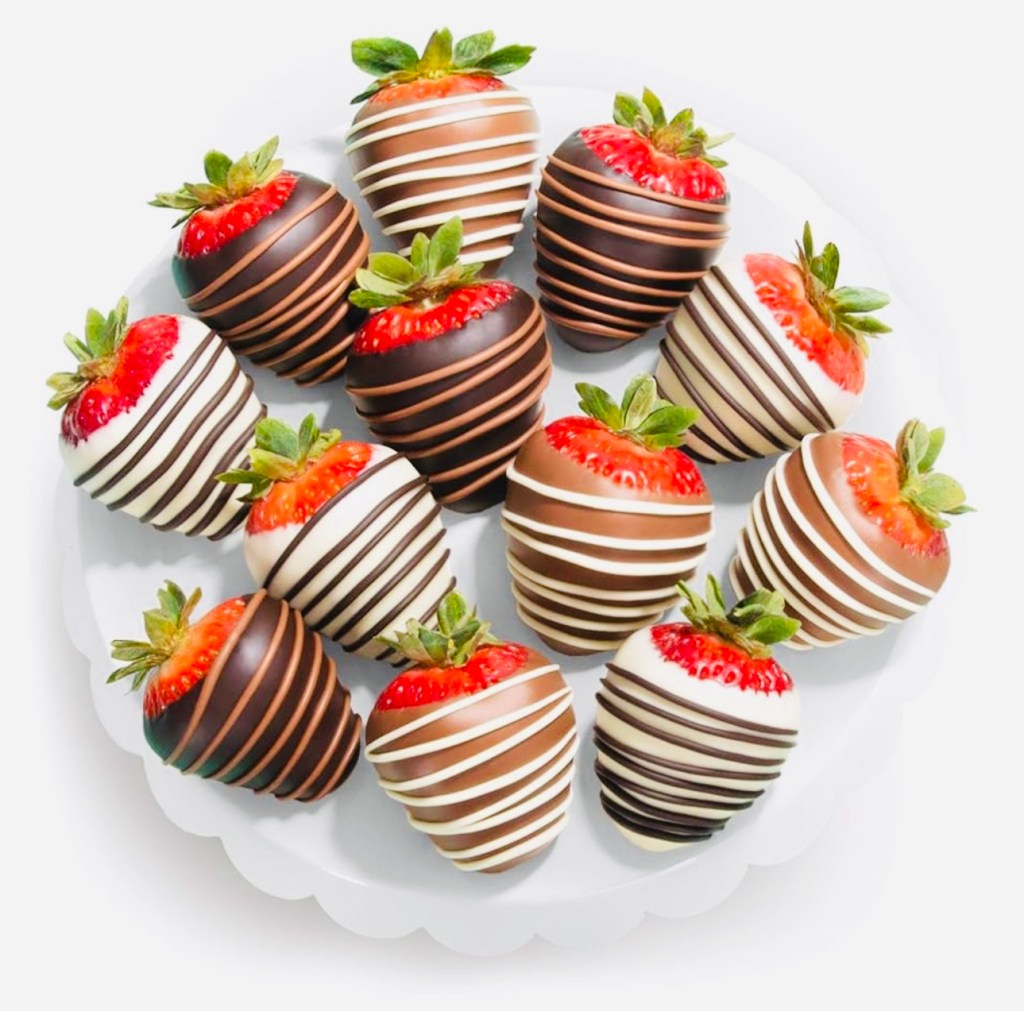
I’ve also noticed how early we begin to connect food with emotions. Many of us grew up seeing food used as comfort. A child is upset, and someone offers a cookie or a treat to make them feel all better. Over time, we can learn that food is the solution to emotional discomfort. “Just eat something, it will make it better.” But in reality, food may soothe the moment, yet it doesn’t resolve what we are truly feeling.
Food can motivate us, comfort us, and even influence us in powerful ways. Sometimes I even find myself wishing food wasn’t such a central part of life, or that we didn’t need it to survive. But the truth is, we do.
And even now, I still find myself in a journey with food—still learning, still growing, still understanding my relationship with it.
Because food will always be here. The real question is not whether we can avoid it—but how we learn to live with it in a healthy way.
If you or someone you know is struggling with an eating disorder or a difficult relationship with food, there is help available. Some well-known support resources include:
- National Eating Disorders Association (NEDA) – nationaleatingdisorders.org
- National Association of Anorexia Nervosa and Associated Disorders (ANAD) – anad.org
- Crisis Text Line – text HOME to 741741 for immediate support
- SAMHSA National Helpline – 1-800-662-HELP (4357) for treatment referrals and information
Reaching out for help is a strong and important first step toward healing.
Love, Fran xo




Leave a Reply