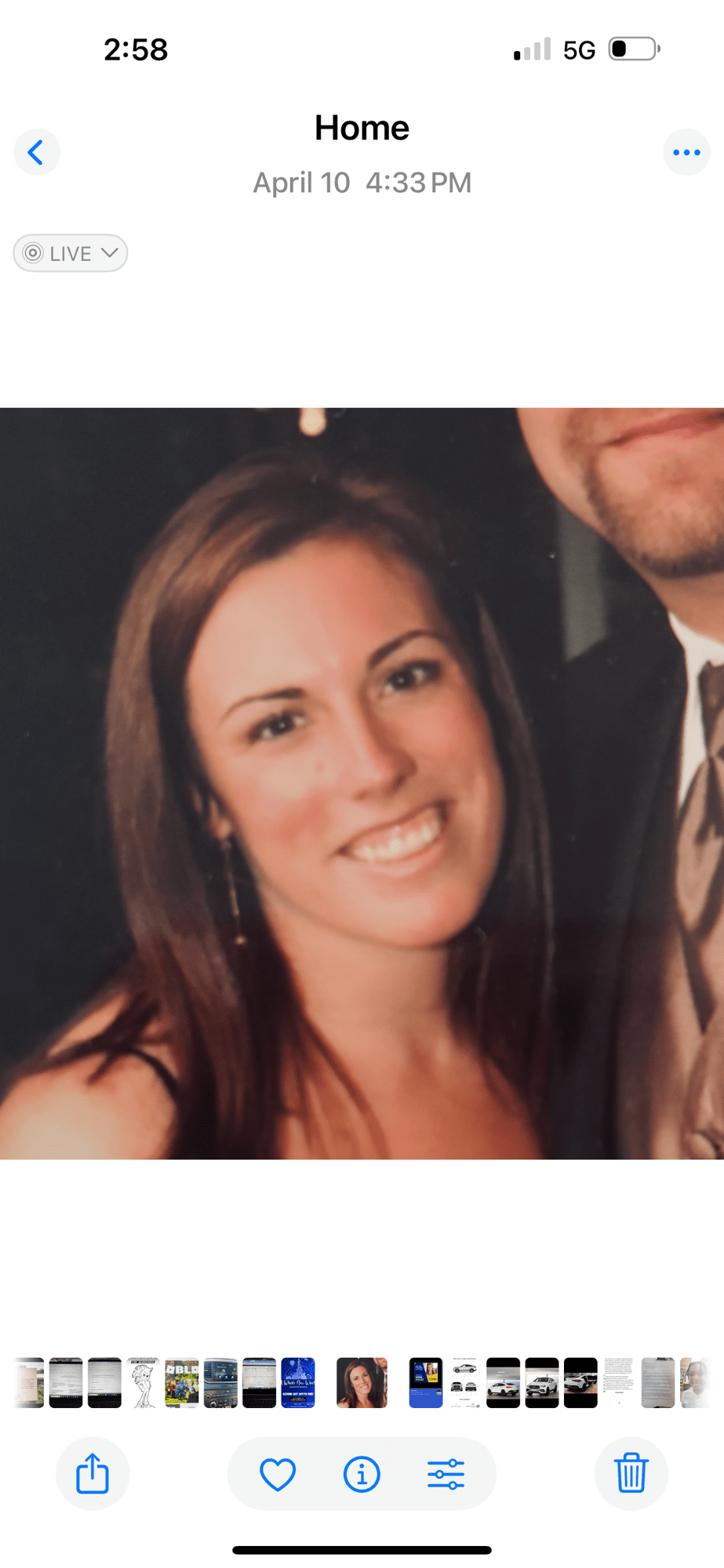
I took a break from my blog. The last time I wrote was June 2024. I had promised myself I would blog every Friday, but then I got sick. I had to stop. Inside, I was sad. Now, as time has passed and I am healing, I feel the pull to return. I crave it. I need it—like water to survive.
Blogging is my therapy. It’s how I process, reflect, and connect. I want to share my stories—not just for me, but for you. I want you to know you’re not alone. That someone out there understands. That everything will be okay. And that you are enough.
The Rollercoaster Ride: A Diagnosis and a Revelation
In June 2024, I was diagnosed with Bipolar I Disorder. My blog was born in March 2024, during a manic episode. One of the symptoms of mania is an intense urge to write. I felt it deeply. Mania can lead to compulsive writing, fueled by racing thoughts and heightened energy. My blog became my serendipity—a fortunate accident.
I boarded a rollercoaster named Bipolar I, and the ride wouldn’t stop until June 4, 2024. It started slow, then gained momentum, going faster and faster until I couldn’t handle it anymore. Everything in my life spiraled out of control. My other half, Fran Martin, took over completely.
Fran was my alter ego. She felt like a drug—euphoric, impulsive, and consuming. She grew stronger each day, feeding on my energy, creativity, and control. Meanwhile, I, Stephany, was trapped inside, silently begging for help.
The Wake-Up Call: Seeking Help
My therapist once told me that when people experience this, they either get arrested or get admitted to the hospital. I ended up in the hospital. It was a wake-up call. I had to face the truth: I was not okay.
I feel a strong need to tell my story—to continue healing and to help someone else who might be going through the same thing. I want others to know that none of this is your fault. It’s the disorder causing these symptoms. I am healing, and I will take as long as I need to heal.
Faith, Forgiveness, and Moving Forward
I don’t feel regret. I had to go through this. I believe it was a gift from God. As it says in Genesis 50:20, “You intended to harm me, but God intended it for good to accomplish what is now being done, the saving of many lives.”
I feel it was my serendipity—my blessing and my curse. I wouldn’t take it back, even though it was difficult. I learned so much from it. I learned from her—Fran Martin. But now, she’s medicated, in therapy, and hibernating.
I do feel guilt, shame, and embarrassment for things I did and said during my manic episode. They’re too personal to share, but they happened. They were symptoms of the disorder. I’ve had to apologize and make amends. I’m learning to love myself, forgive myself, and accept what happened.
The Creative Surge: A Double-Edged Sword
During my manic episode, I experienced an intense creative surge. I started projects, like making ocean-themed pallet art, driven by visions in my mind. I completed them quickly, driven by an unstoppable urge to create.
Research suggests that people with Bipolar I Disorder can experience heightened creativity during manic episodes due to increased energy, rapid thought processes, and impulsivity. This describes exactly what I was doing. I was super focused on getting projects done. I would stay up late just to finish them. It made me feel alive.
But I also learned that creativity can be a double-edged sword. It can be a gift, but it can also be a symptom of something deeper. Now that I’m healing, I want to focus on creative projects for myself—not just for others. I’m learning that taking care of myself is important too.
The Journey Continues
I’m not where I want to be yet, but I’m not where I was. I’m healing. I’m learning. I’m growing. And I’m sharing my story—not just for me, but for you. Because you’re not alone. And together, we can heal.
“I share my story because I know someone out there might be going through what I went through — a Bipolar I episode that feels overwhelming, confusing, or isolating. If sharing my experience helps even one person feel seen, understood, or less alone, then it’s worth it. I’m not embarrassed or ashamed of my journey. In fact, I see it as a strength. The sole reason I blog is to help others — to offer hope, honesty, and a reminder that healing is possible.”
My blog, skiesofblue.org, was born during a time of manic psychosis — an intense and transformative period in my life. While it began in crisis, I see it now as a blessing from God — a moment of unexpected grace and serendipity. The name Skies of Blue is a tribute to the place that has supported my healing journey: BlueSky Behavioral Health, LLC. Located in Danbury, Connecticut. This blog is dedicated to them, and to my ongoing commitment to self-care, mental health, and living with purpose and hope.
If you or someone you know is experiencing a Bipolar I episode and needs help, please know you’re not alone — and support is out there. One great place to start is BlueSky Behavioral Health, LLC, located in Danbury, Connecticut. They provide compassionate, professional care for individuals navigating mental health challenges, including Bipolar I Disorder. Don’t hesitate to reach out — healing is possible.
Last summer was a season I couldn’t fully experience — my illness took so much from me, including the simple joys of sunshine, freedom, and presence. But this year is different. I’m healing. I’m growing. And I intend to savor every single moment of this summer. With joy, with gratitude, and with a heart wide open, I’m choosing happiness. I’m doing what nourishes me, what lifts me, and what makes me feel truly alive. This summer, I reclaim my light.
What Is Bipolar I Disorder?
Bipolar I Disorder is a mental health condition characterized by extreme mood swings that include emotional highs (mania or manic episodes) and psychosis and often emotional lows (depression). It is one of the most serious forms of bipolar disorder and can significantly impact a person’s thoughts, behavior, energy, and ability to function in daily life.
Symptoms of Bipolar I Disorder
Manic episodes may include:
- Elevated or irritable mood lasting at least one week
- Inflated self-esteem or grandiosity
- Decreased need for sleep (feeling rested after only a few hours)
- Rapid speech or racing thoughts
- Risky or impulsive behaviors (e.g., spending sprees, unsafe sex, substance use)
- Increased goal-directed activity or restlessness
- Distractibility
Depressive episodes may include:
- Persistent sadness or hopelessness
- Fatigue or low energy
- Loss of interest in activities once enjoyed
- Changes in appetite or sleep
- Difficulty concentrating
- Thoughts of death or suicide
During manic psychosis, a person often doesn’t realize they’re unwell. This lack of insight (called anosognosia) is part of the condition and can make it very hard to accept help
In Bipolar I, at least one manic episode must occur, though depressive episodes are common and can be severe.
How to Get Help
People living with Bipolar I Disorder can manage symptoms and lead fulfilling lives with the right support. Help may include:
- Medication: Mood stabilizers, antipsychotics, or antidepressants prescribed by a psychiatrist can help manage manic and depressive symptoms.
- Therapy: Cognitive Behavioral Therapy (CBT), psychoeducation, and family-focused therapy are commonly used to support emotional regulation, coping skills, and relapse prevention.
- Routine and Self-Care: Maintaining a stable routine, sleep schedule, balanced diet, and stress reduction practices can help prevent mood episodes.
- Support Network: Building a strong support system of family, friends, and mental health professionals is essential. Peer support groups can also offer valuable connection and understanding.
- Emergency Help: If someone is experiencing a crisis or thoughts of self-harm or suicide, immediate help from a crisis line, emergency services, or psychiatric hospital may be necessary.
Halsey, the singer-songwriter known for hits like “Without Me” and “Bad at Love,” has been publicly diagnosed with bipolar disorder. She was diagnosed at the age of 17 following a suicide attempt, which led to her admission to a psychiatric hospital. In interviews, Halsey has been open about her experiences with bipolar disorder, describing both manic and depressive episodes. She has also mentioned being hospitalized twice to manage her condition proactively. Halsey has used her platform to raise awareness about mental health, sharing her struggles and advocating for understanding and support for those with bipolar disorder.
Halsey’s song “Control” from her debut album Badlands (2015) is widely interpreted as a powerful expression of her experience with Bipolar I Disorder.
🎵 “Control” – Halsey
- Theme: The song dives into the internal chaos and struggle of living with a mind that feels unpredictable and overwhelming — common in bipolar disorder, especially during manic and depressive episodes.
- Key lyrics: “I’m well acquainted with villains that live in my head…”
“And I’m bigger than my body / I’m colder than this home / I’m meaner than my demons…”
Halsey has said in interviews that “Control” was inspired by her personal battle with her mental health, particularly bipolar disorder. The lyrics reflect a sense of losing — and trying to regain — control over one’s mind.
🎶 2. “Clementine” (from Manic, 2020)
In “Clementine,” Halsey reflects on the emotional turbulence associated with bipolar disorder. The song captures the oscillation between emotional highs and lows, encapsulating the essence of the condition’s impact on daily life. It’s a deeply personal track that resonates with many listeners who experience similar challenges.
Music means the world to me — it’s been a lifeline throughout my journey with Bipolar I. The melodies and lyrics resonate deeply inside me, giving my experiences meaning, beauty, and a voice when words alone can’t. Music breathes life into my story, helping me heal, feel understood, and find hope even in the darkest moments.
Final Note
Bipolar I Disorder is a lifelong condition, but with proper diagnosis, treatment, and support, individuals can manage symptoms and thrive. Seeking help is a sign of strength, not weakness—and recovery is absolutely possible.
Thank you for taking the time to read my Friday Night Blog. I hope you enjoyed it as much as I enjoyed writing it.
Love,
Fran Martin xoxox
Credit to: YouTube www.youtube.comYouTube
BlueSkys Behavioral Health LLC https://blueskyrecovery.com/



 Skies of Blue
Leave a comment