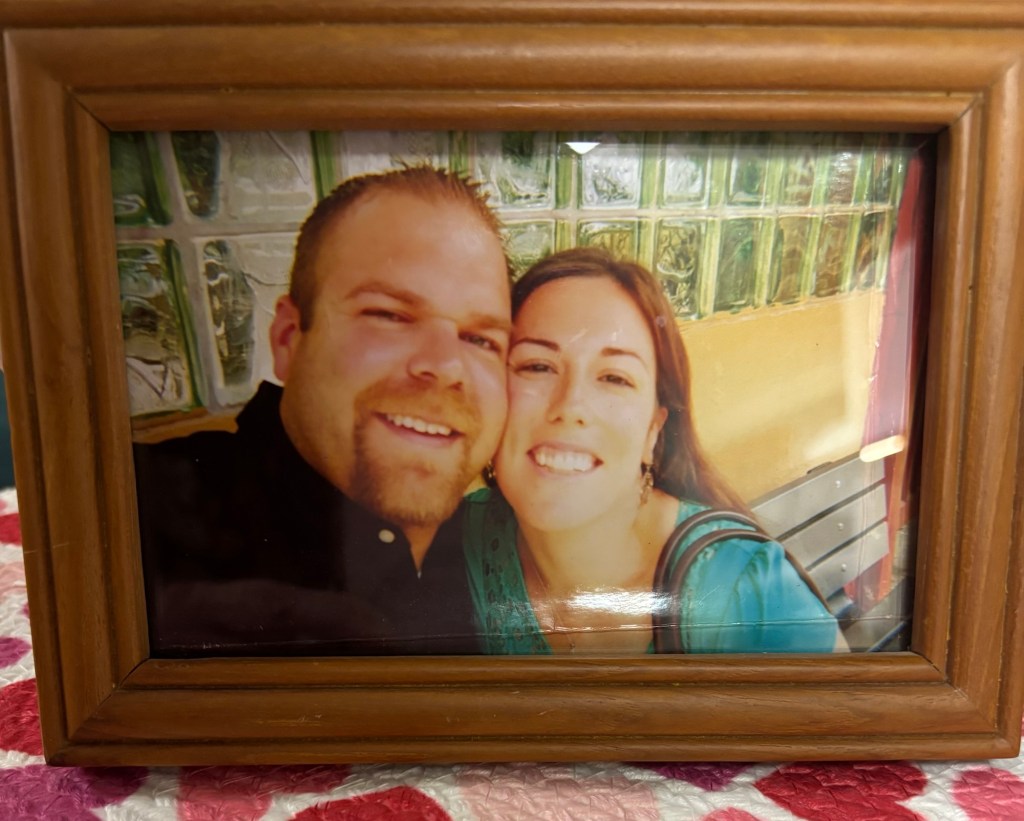
I am the wife of a correctional officer.
That sentence alone carries more weight than I ever expected it would. Writing about this feels a little tricky, not because I’m ashamed of it, but because it’s a profession that is often misunderstood. I want to share the experience honestly, with respect, love, and appreciation—because behind the uniform is a human being, and behind that human being is a family who lives this life alongside them.
When I first met my husband, he had just started his career as a correctional officer. He was new to the job, learning the rules, the routines, and the realities of working inside a federal prison in Connecticut. At the same time, I was new too—new to dating someone in this line of work, new to understanding what it meant, and new to the quiet fears and adjustments that come with it. In many ways, it felt like we were learning it together.
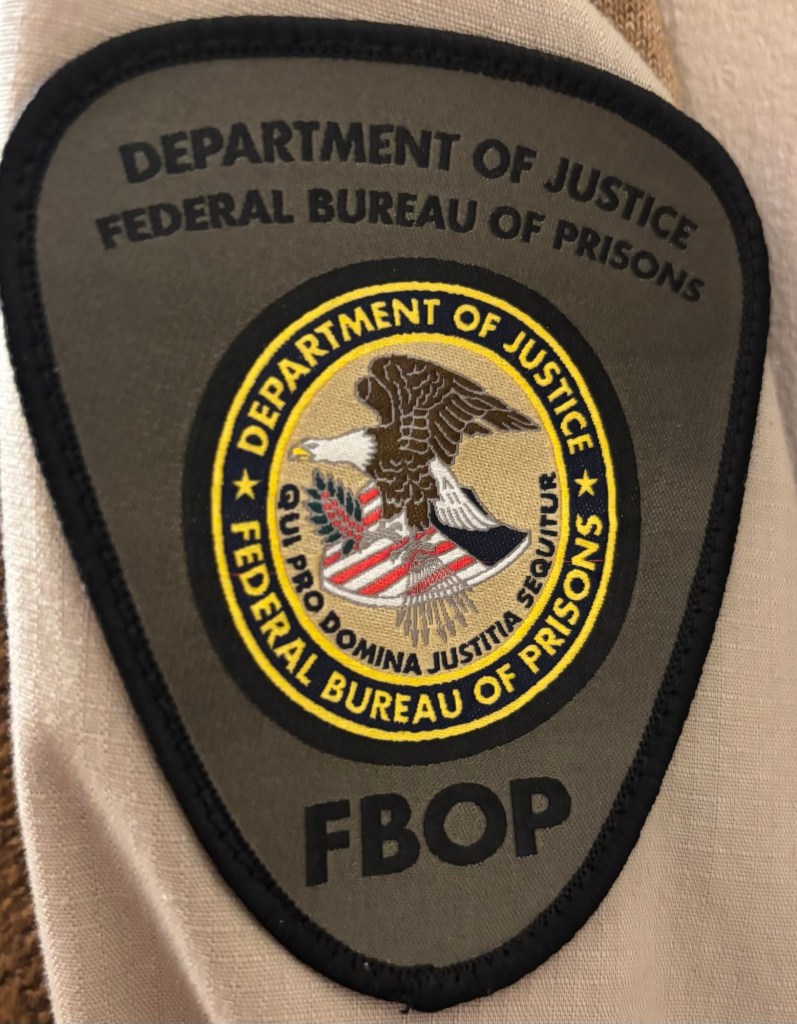
Correctional officers don’t often receive the recognition they deserve. Their work tends to go unnoticed by the public—not because people don’t care, but because it’s work that happens behind walls most of us never see. They aren’t looking for praise; they’re doing a job that requires strength, restraint, awareness, and an incredible amount of self-control, every single day. It’s a profession built on responsibility and risk, and one that plays a critical role in public safety, even if it’s rarely acknowledged.

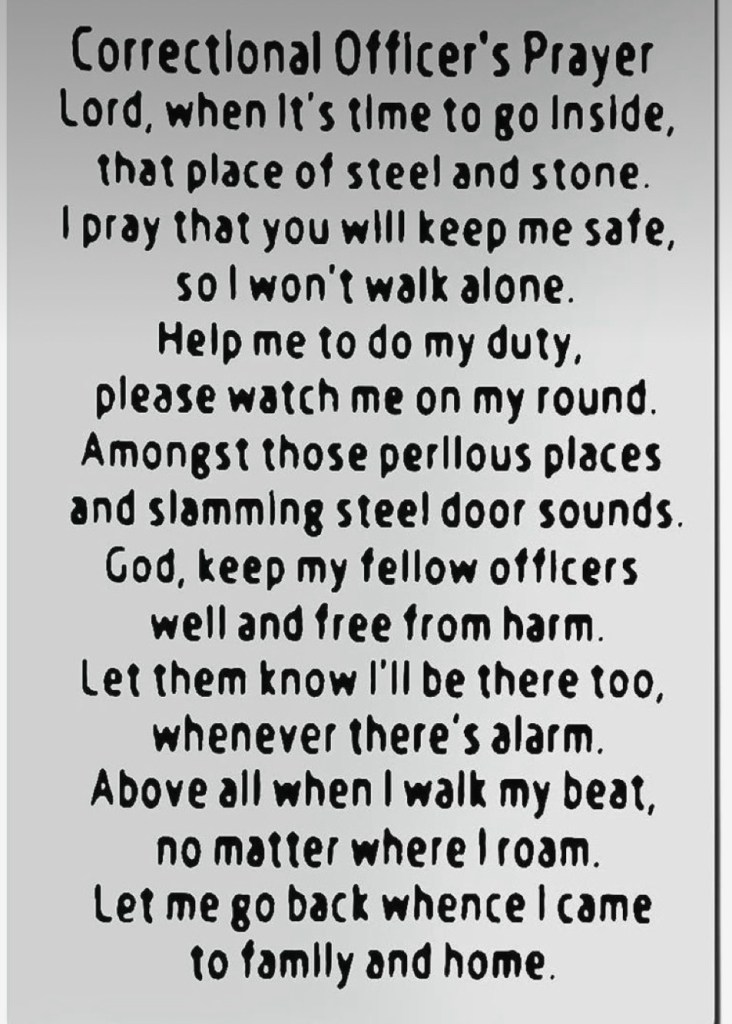
There is a prayer many correctional officers know well:
“Lord, when it comes time to go inside that place of steel and stone,
I pray that You keep me safe so I won’t walk alone.
Help me to do my duty, please watch me on my rounds,
Amongst those perilous places and slamming steel door sounds.”
That prayer hits differently when you love someone who walks through those doors. When my husband leaves for work, there is always a small knot of worry that forms in my chest. You don’t know what the day will bring. You don’t know if he’ll get hurt—or worse, if he won’t come home at all. That uncertainty becomes part of your everyday life, something you learn to carry quietly.
Correctional officers work in an environment where they are constantly surrounded by individuals who have made serious mistakes in life. Some are dangerous. Many are unpredictable. Being in a space where the potential for violence is always present forces a person to be alert at all times. Hyper-awareness isn’t a choice—it’s a survival skill.
What people may not realize is that this mindset doesn’t just switch off when the shift ends.
As a wife, you begin to notice the subtle ways the job follows them home. When we go out to dinner, my husband instinctively chooses a seat facing the exit. His eyes scan the room, even during conversations. It’s not that he isn’t listening—it’s that his brain has been trained to assess his surroundings constantly. At first, this was something I had to get used to. Over time, I learned that it wasn’t distance or distraction—it was protection. It was habit. It was conditioning.
You also notice the emotional weight they carry. The exhaustion that isn’t just physical. The silence after a long shift. The moments when they need space, not because they don’t care, but because they’ve spent hours holding themselves together in a place where vulnerability isn’t an option.
Being married to a correctional officer means learning patience, empathy, and understanding on a deeper level. It means loving someone who has to be strong for a living. It means appreciating the sacrifices that are rarely spoken about. It means recognizing that their job requires them to walk into situations most people would run from—and then come home and try to be present, gentle, and loving.
This is not a story of complaint. It’s a story of respect.
It’s written with love for my husband, for his dedication, and for the quiet courage it takes to do what he does every day. It’s also for the wives, husbands, and families who live this life too—who wait, who worry, who adjust, and who love deeply anyway.
To my husband: I see you. I appreciate you. I am proud of you. And I will always honor the man you are—both inside those walls of steel and stone, and at home with us.
Loving a correctional officer has taught me that strength is often quiet. It’s found in routine, in sacrifice, and in showing up day after day even when the work is heavy. It has taught me that bravery doesn’t always look dramatic—it looks like putting on a uniform, saying goodbye, and trusting that love will carry you both through another day. This life isn’t always easy, but it is meaningful. And at the end of every shift, every prayer, every worried moment, there is gratitude—for his safety, for his heart, and for the life we continue to build together.
Dedicated to my Boo—thank you for the sacrifices you make and the strength you carry for our family every day. I love you, always and forever. xo
I love you Boo. xo
-Fran xo


 Skies of Blue
Leave a comment