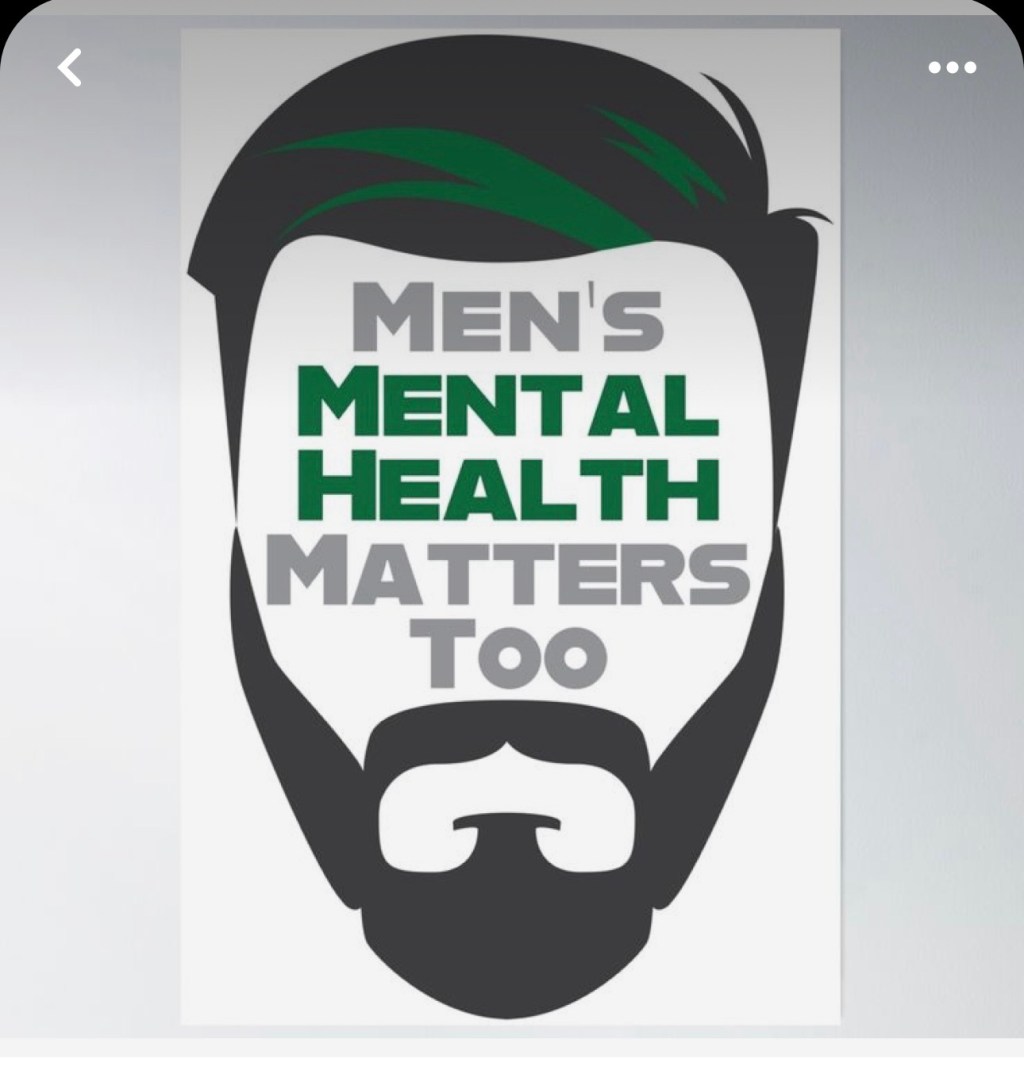
Men’s mental health is a critical issue that often goes unspoken. In today’s world, men face numerous challenges and responsibilities, yet societal expectations frequently discourage them from expressing vulnerability. This month serves as a reminder to address these challenges and promote open conversations about men’s mental well-being.
While both men and women encounter various challenges, traditional gender norms often dictate that men must always appear strong and composed. Expressing emotions or seeking help is sometimes perceived as a weakness, leading many men to suppress their feelings and avoid seeking support. However, acknowledging one’s emotions and seeking assistance is a sign of strength, not weakness. Recognizing our limitations and reaching out for help is a fundamental aspect of being human.
We teach our ten-year-old son that it’s healthy for a boy or man to cry when overwhelmed by sadness. We don’t encourage him to bottle up his emotions. Unfortunately, many men grow up being taught that crying is a sign of weakness. As parents, my husband and I bear the responsibility of raising a son who understands the importance of mental health. We aim to instill in him the value of emotional well-being alongside physical and spiritual health.
Our family is a strong advocate for therapy. Historically, seeking therapy has been stigmatized, especially for men. I firmly believe that therapy is a vital component of self-care, and everyone should have access to it. Having a trained professional to guide and support you through life’s challenges is an invaluable gift to oneself.
Men’s Mental Health Awareness Month serves as a vital reminder that mental health is just as important as physical health. By raising awareness and encouraging open dialogue, we can work towards a society where men feel empowered to seek help and prioritize their mental well-being.
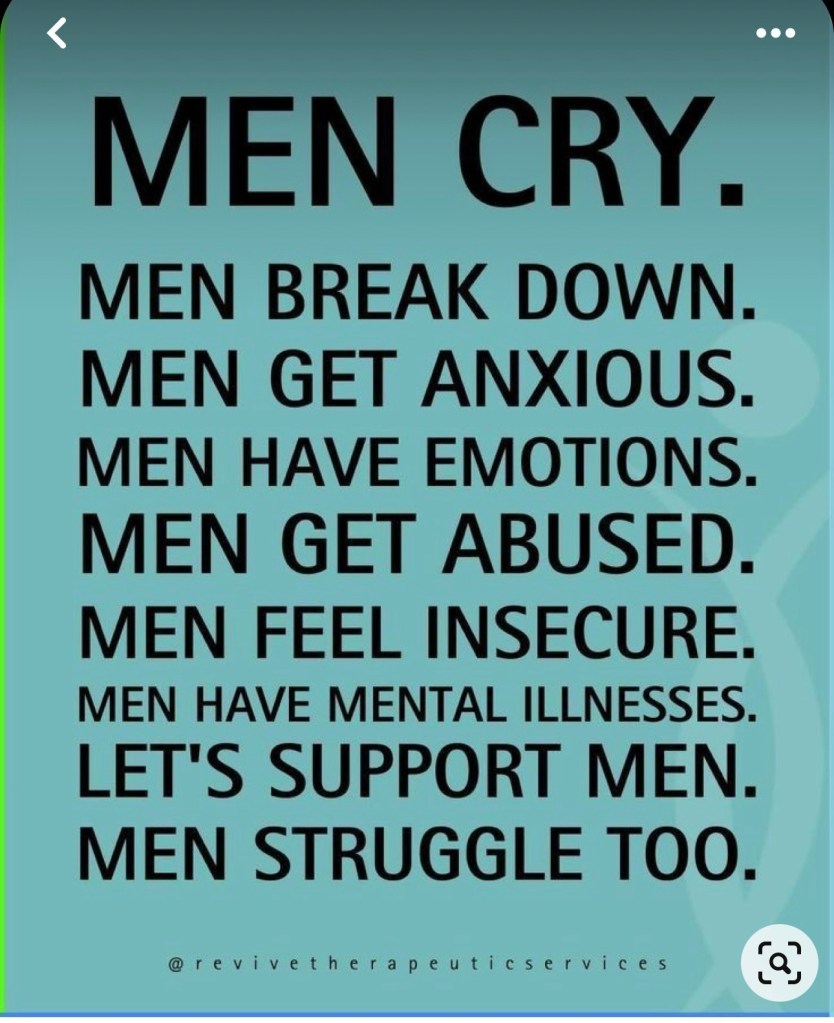
Why Men’s Mental Health Month Matters
- Highlighting the Suicide Crisis
Men are disproportionately affected by suicide, accounting for nearly 80% of all suicide deaths in the United States. They are almost four times more likely to die by suicide than women. This alarming statistic underscores the urgent need for increased awareness and intervention.
- Addressing the Treatment Gap
Despite experiencing mental health issues at rates comparable to women, men are less likely to seek treatment. Approximately 40% of men with diagnosed mental health conditions receive care, compared to over 50% of women. This disparity is often due to societal expectations that equate seeking help with weakness.
- Challenging Harmful Masculine Norms
Traditional notions of masculinity, such as emotional stoicism and self-reliance, can discourage men from expressing vulnerability. These cultural pressures contribute to untreated mental health issues and can lead to substance abuse and other harmful coping mechanisms.
- Promoting Open Conversations
Men’s Mental Health Month encourages open dialogue about mental well-being, aiming to normalize conversations around mental health among men. By fostering an environment where men feel safe to express their emotions, the stigma surrounding mental health can be reduced.
- Supporting Fathers and Families
The mental health of fathers is often overlooked. Many fathers experience mental health challenges, including anxiety and depression, which can impact their well-being and family dynamics. Raising awareness during this month highlights the importance of supporting fathers and addressing their mental health needs.
How You Can Help
- Start Conversations: Initiate discussions about mental health with the men in your life to normalize these conversations.
- Encourage Professional Help: Support men in seeking professional mental health services when needed.
- Challenge Stereotypes: Promote healthy expressions of masculinity that include emotional openness and vulnerability.
- Support Organizations: Engage with and support organizations that focus on men’s mental health, such as Man Therapy and Movember.
By actively participating in these efforts, we can contribute to a society where men’s mental health is prioritized, and seeking help is seen as a strength and not as a weakness. Through open conversations, education, and compassion, we can break down harmful stigmas and build a culture that supports the well-being of all individuals, regardless of gender.
For men facing mental health challenges, Blue Sky Behavioral Health, LLC in Danbury, Connecticut offers a compassionate and supportive environment to begin the journey toward mental wellness.
Of all the mental health facilities I know, BlueSky Behavioral Health is by far my favorite—a place where compassion, professionalism, and true healing come together.
For more information or to schedule an intake, please visit blueskyrecovery.com or
call 1 (888) 822-7348.
Take Care,
Love,
Fran xoxo





 Skies of Blue
Leave a comment