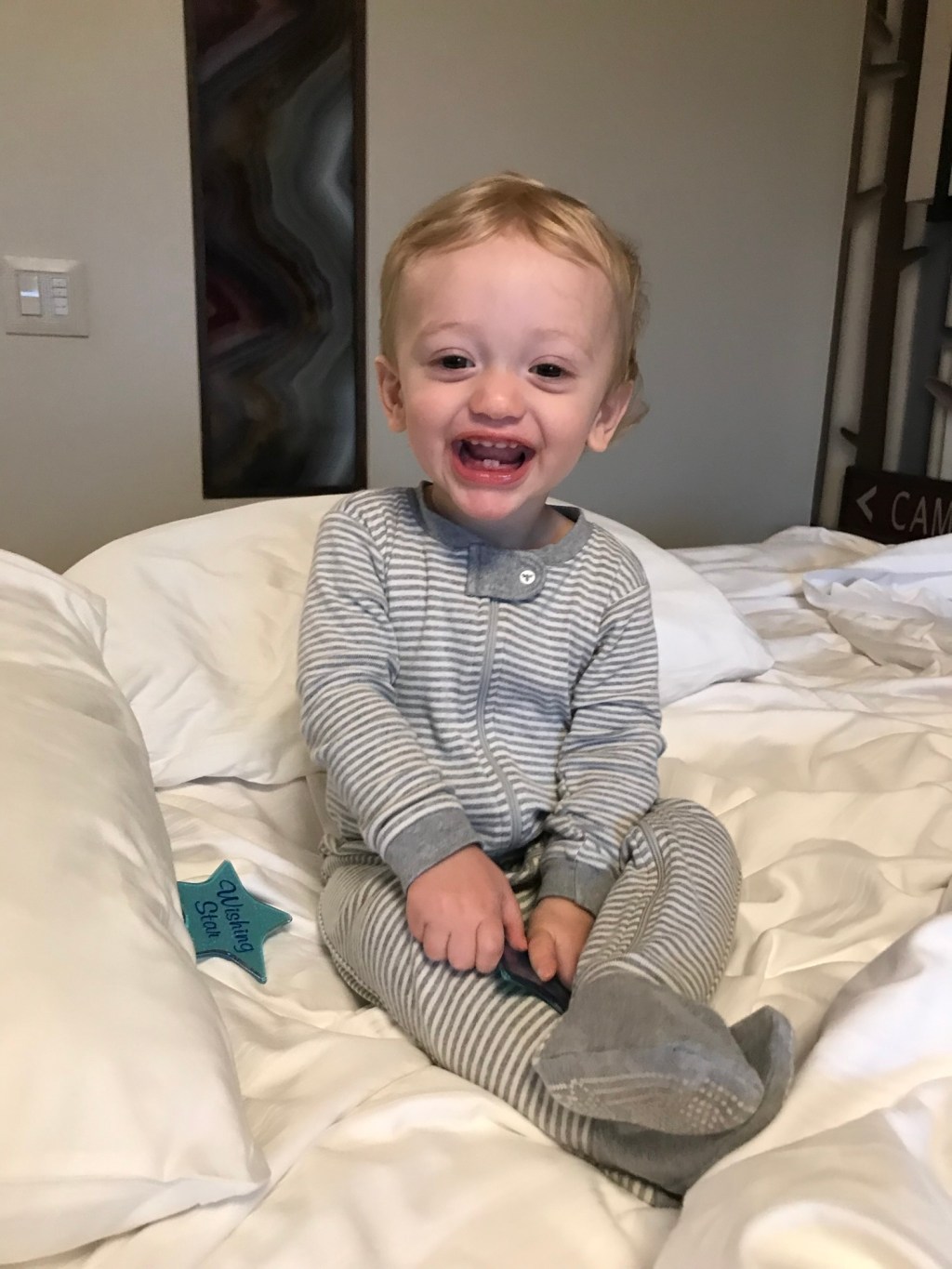
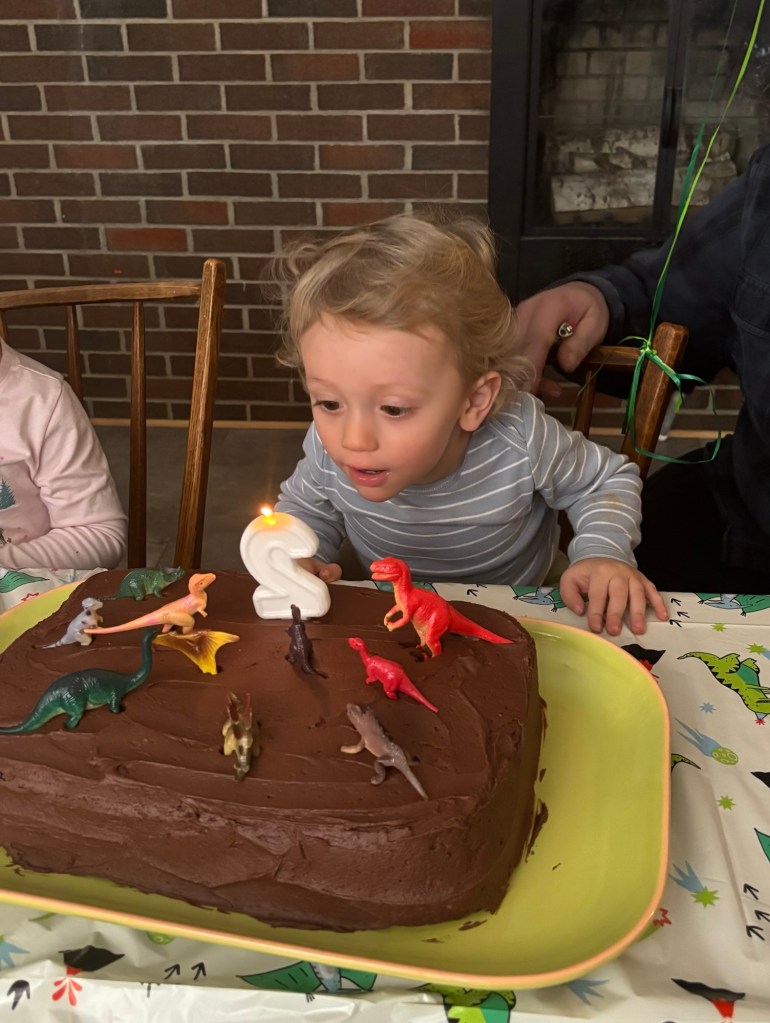
Look at this beautiful boy!
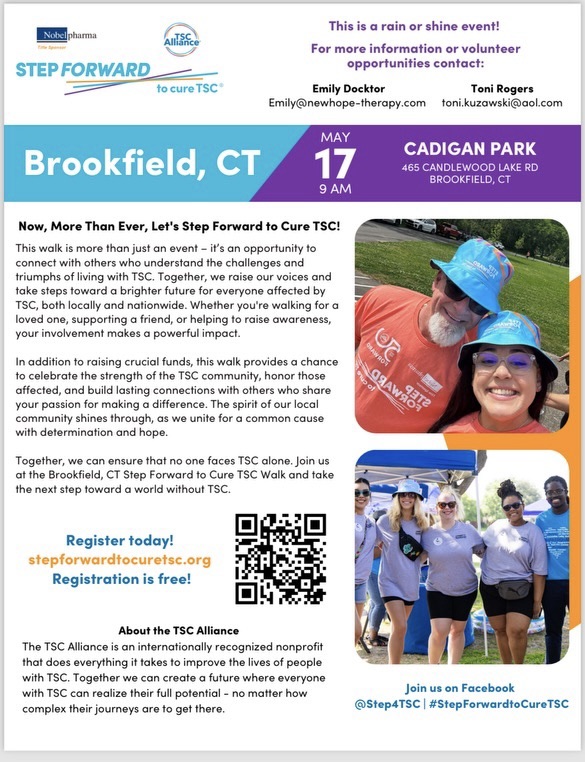
Hi everyone! My sister, Emily Docktor is hosting the TSC charity walk on Saturday, May 17, 2024 located in Brookfield, Connecticut at Cadigan Park located at 465 Candlewood Lake Road at 9AM.
Click on the link below to be connected to the event:
https://give.tscalliance.org/event/2025-step-forward-to-cure-tsc-r-brookfield-ct/e655564
My nephew, Albie has been fighting this awful disease of Tuberous Sclerosis Complex since birth.
Please help us raise money and awareness so the TSC Alliance can continue to help other families and someday find a cure. Please donate to Team Albie!!!
Help Us Step Forward in the Fight Against TSC!
Click on the link below to be connected to Albie’s Team
https://give.tscalliance.org/team/634432
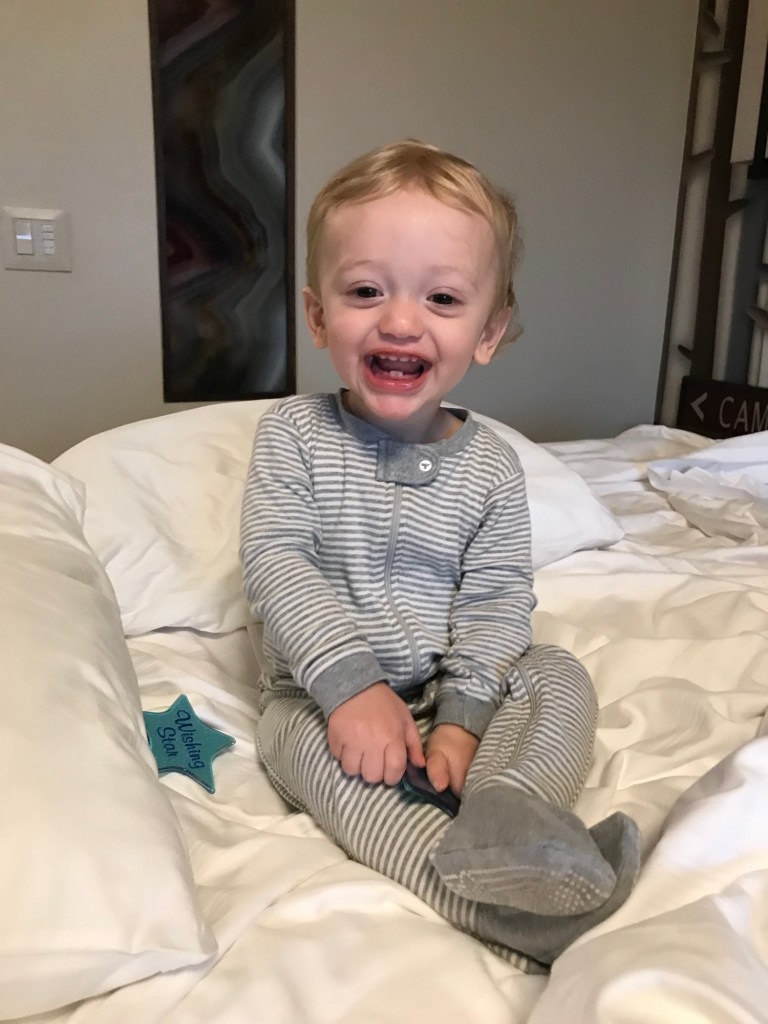
Auntie Loves You!
I’ve registered for Step Forward to Cure TSC® event, and I need your help to make a difference! By donating to my campaign or joining my team, you’ll be supporting groundbreaking research for tuberous sclerosis complex (TSC)—a rare genetic disorder that affects nearly one million people worldwide.
TSC causes tumors to form in vital organs throughout the body, and it impacts the lives of families like mine. Your donation can help fund research that leads to new treatments, better care, and ultimately a cure for TSC.
You can support me by making a secure donation today or, if you’re inspired to make a bigger impact, join my team and help us raise funds! Every step, every dollar, brings us closer to a future where those living with TSC can live their fullest lives.
Together, we can provide hope to those affected by TSC. Please consider donating or joining me to make a real difference in the fight for a cure. Every donation helps and every person counts!
Becoming Educated on the Disease:
What is Tuberous Sclerosis Complex (TSC)
Tuberous Sclerosis Complex (TSC)
is a rare genetic disorder that causes non-cancerous (benign) tumors to grow in various organs of the body, primarily the brain, kidneys, heart, lungs, and skin. These tumors, which can vary in size and number, can cause a wide range of symptoms depending on the organs involved.
Genetic Cause and Inheritance
TSC is caused by mutations in one of two genes: TSC1 or TSC2. These genes encode proteins (hamartin and tuberin, respectively) that play a crucial role in regulating cell growth and division. When either of these genes is mutated, the growth-regulating mechanism is disrupted, leading to the formation of benign tumors in multiple organs.
- TSC1 gene is located on chromosome 9.
- TSC2 gene is located on chromosome 16.
TSC is usually inherited in an autosomal dominant pattern, meaning that one copy of the mutated gene from either parent is enough to cause the condition. However, about two-thirds of cases occur due to new mutations (de novo mutations), where there is no family history of the disorder.
Symptoms and Clinical Features
The symptoms of TSC can vary significantly depending on the organs affected. Some people may have only mild symptoms, while others may experience more severe complications. Common features of TSC include:
1. Brain (Neurological)
- Seizures: The most common neurological symptom, affecting approximately 80% of individuals with TSC. Seizures may start in infancy or early childhood.
- Cognitive and developmental delays: Intellectual disability or learning difficulties are common, with varying degrees of severity.
- Autism Spectrum Disorder (ASD): Many individuals with TSC may have ASD or other behavioral conditions.
- Subependymal nodules (SENs): These are benign growths in the brain, which can occasionally lead to complications like hydrocephalus (fluid accumulation in the brain).
- Giant cell astrocytomas: These are a type of brain tumor that can develop in some people with TSC.
2. Kidneys
- Angiomyolipomas: These are benign tumors composed of blood vessels, muscle, and fat. They are commonly found in the kidneys and can sometimes lead to bleeding or kidney dysfunction.
- Cysts: People with TSC may develop cysts in their kidneys, which could contribute to kidney failure over time if they become large or numerous.
3. Skin
- Angiofibromas: Small, reddish or flesh-colored bumps that appear on the face, especially on the nose and cheeks, often beginning in childhood.
- Shagreen patches: Thickened, leathery patches of skin that often appear on the lower back.
- Hypomelanotic macules: Light-colored spots on the skin that are usually seen in early childhood.
- Other skin features: People with TSC may also have “fibromas” (small, benign fibrous tumors), and “sebaceous cysts.”
4. Heart
- Cardiac rhabdomyomas: These are benign tumors that grow in the heart, usually detected in infants or young children. Although they are often asymptomatic, large rhabdomyomas can lead to heart problems.
5. Lungs
- Lymphangioleiomyomatosis (LAM): A progressive lung disease more commonly seen in women with TSC, characterized by the growth of smooth muscle cells in the lungs, leading to breathing problems and reduced lung function.
6. Other Features
- Eye abnormalities: Some individuals may have retinal hamartomas, which are benign tumors in the eye. These often do not cause vision problems, but in some cases, they can lead to vision impairment.
- Dental enamel pits: Small indentations on the surface of the teeth that are more commonly found in people with TSC.
Diagnosis
Diagnosing TSC involves a combination of:
- Clinical evaluation: Identifying characteristic signs and symptoms, such as skin lesions and neurological issues.
- Genetic testing: Detecting mutations in the TSC1 or TSC2 genes through DNA analysis.
- Imaging tests: MRI, CT scans, or ultrasound may be used to identify tumors or cysts in the brain, kidneys, heart, and other organs.
Treatment and Management
There is currently no cure for TSC, but the condition can be managed through a variety of treatments aimed at controlling symptoms and preventing complications:
- Seizure control: Anti-epileptic drugs (AEDs) are used to manage seizures.
- Surgical intervention: In some cases, tumors (such as those in the brain or kidneys) may need to be surgically removed or treated.
- Medication: Newer medications, such as everolimus or sirolimus, are sometimes used to shrink tumors and control growth. These are particularly useful in treating brain and kidney tumors.
- Supportive therapies: For developmental delays, behavioral issues, and other neurological symptoms, individuals may benefit from therapies such as speech therapy, occupational therapy, and educational interventions.
- Monitoring: Regular follow-up with a healthcare team is essential to monitor organ function, especially kidney and heart health, and to screen for complications like tumors and cysts.
Prognosis
The prognosis for individuals with TSC depends on the severity and number of organ involvement. Many individuals with TSC lead normal or near-normal lives, especially with early intervention and proper management of symptoms. However, the severity of the condition can vary significantly from one person to another. Complications such as kidney failure, severe developmental delay, or respiratory failure due to lung involvement may lead to more challenging outcomes.
In some cases, TSC may lead to life-threatening complications, particularly if seizures or tumors are difficult to control, but with ongoing treatment and care, many individuals with TSC can live into adulthood.
Genetic Counseling
Because TSC is a genetic condition, families affected by the disorder may benefit from genetic counseling. This helps parents understand the inheritance pattern, the risks of passing the condition on to future children, and the options for genetic testing and prenatal diagnosis.
In summary, Tuberous Sclerosis Complex is a multifaceted genetic disorder that can affect multiple organ systems. Its treatment requires a multidisciplinary approach to manage symptoms, reduce the impact of tumors, and provide supportive care.
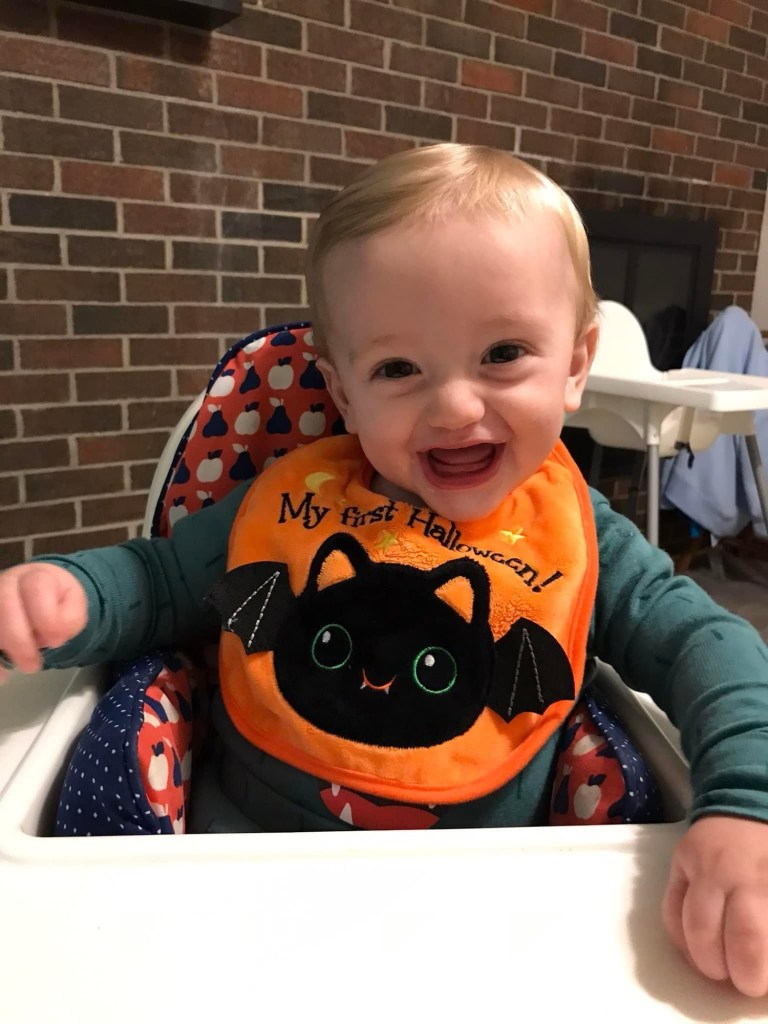
Go Team Albie!
Team Albie’s Fundraising for TSC Alliance
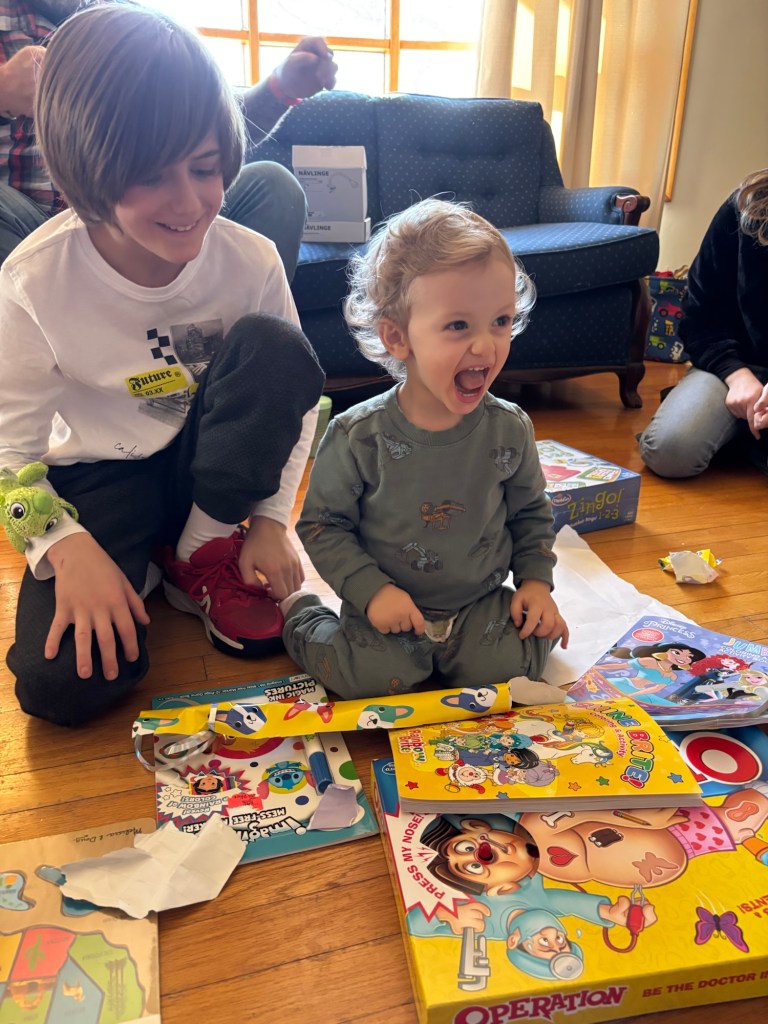
So silly!
Team Albie’s Fundraising for TSC Alliance
My beautiful, beautiful two-year-old nephew has this awful disease and has had it since birth.
This little boy is so smart, loving, energy filled, curious, kind, sharing, giving, funny and strong willed and extremely resilient. He is a fighter, no matter what is thrown his way and much has been thrown his way, he always gets back up and recovers and keeps going.
Let’s help support him, my sister and her family by joining the walk. Let’s donate and walk against this disease and fight it together!
Thank you for your generosity and support. Let’s step forward together!
Love,
Auntie aka Fran Martin xoxoxox
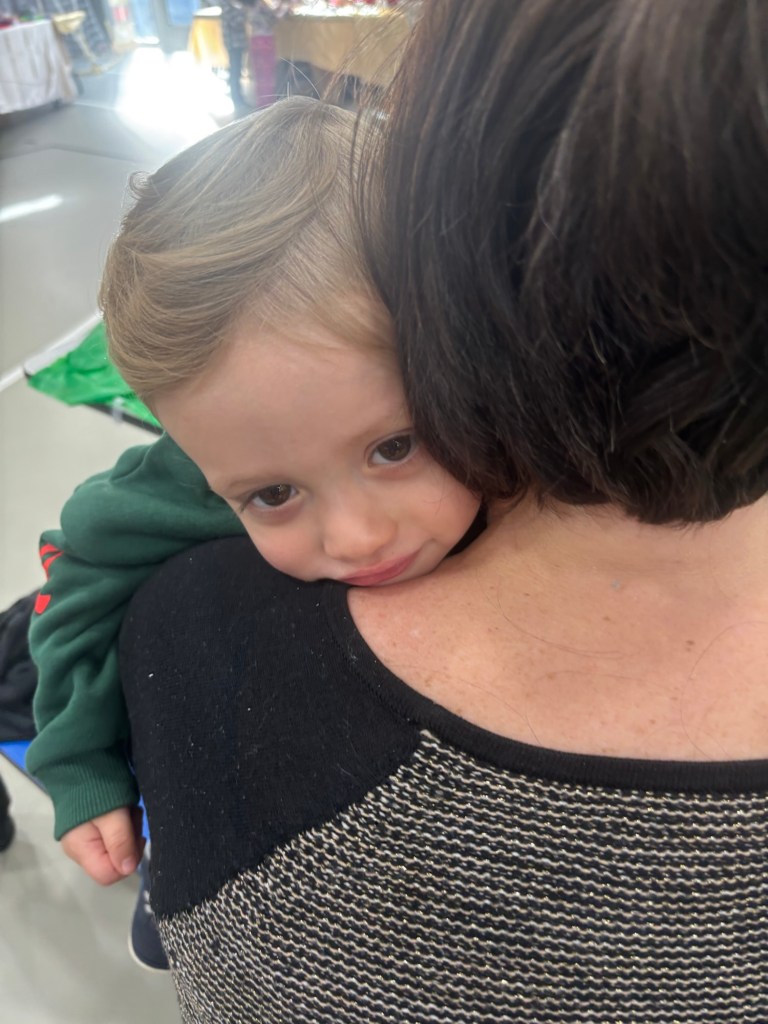
Little Lover!


 Skies of Blue
Leave a comment